Remembering Earlier Days
I’m Vickisa—an artist, educator, and longtime friend of Slide Ranch. Many years ago, I lived on the land here, back before Slide Ranch became the vibrant organization it is today. Recently, I had the chance to reconnect with Susie Washington Smyth to reflect on those earlier days. What follows is drawn largely from her memory, with a few of my own stories woven in.
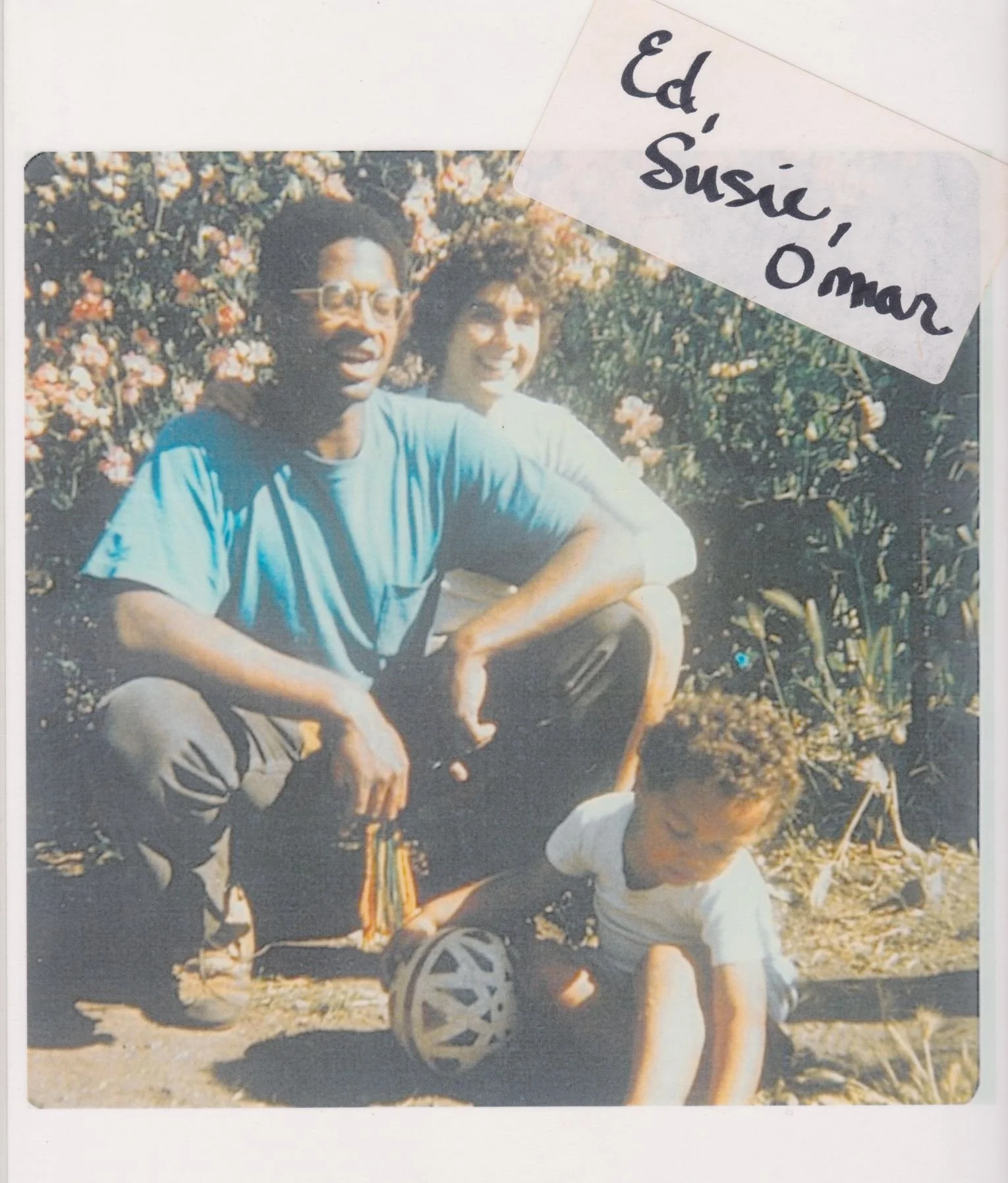
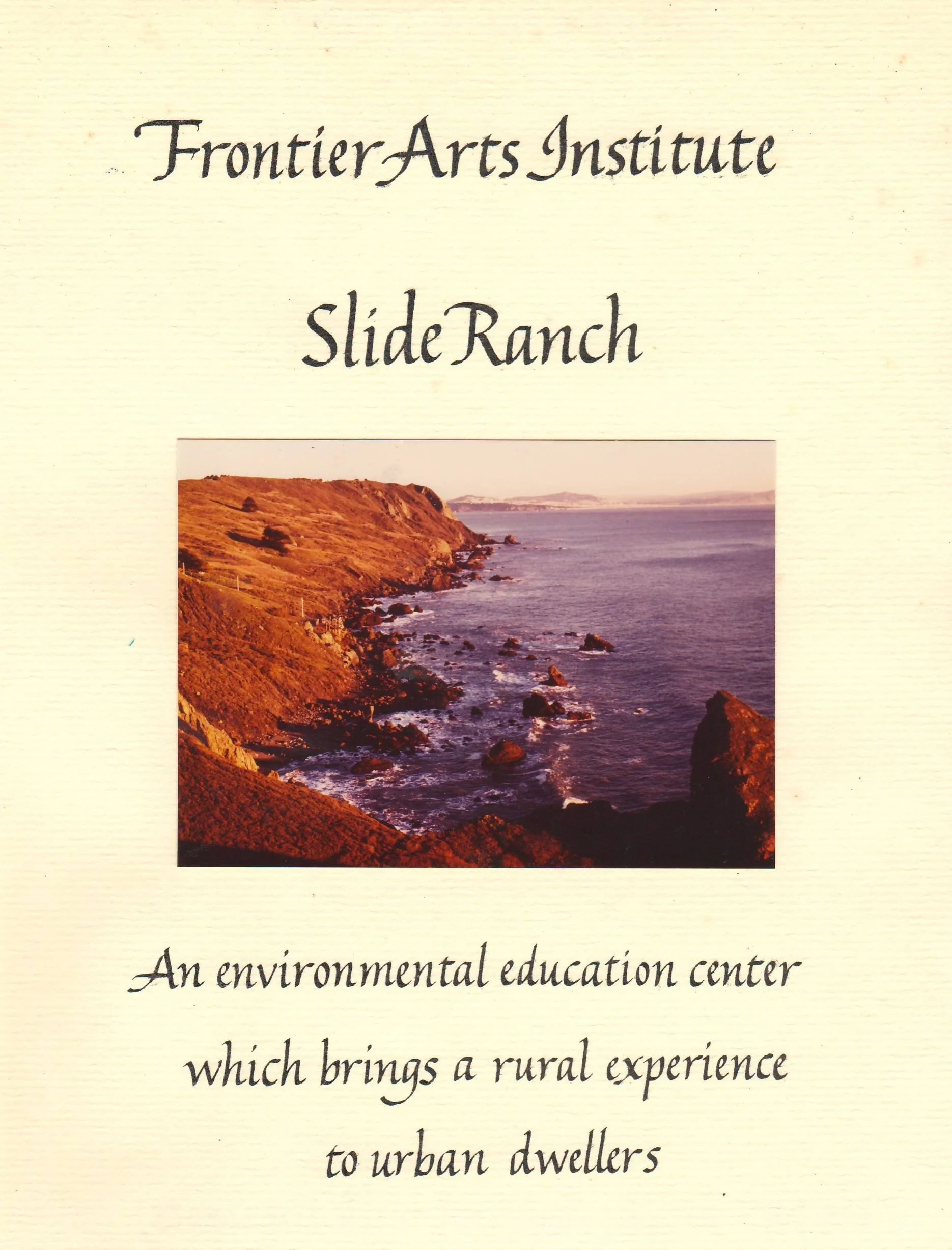
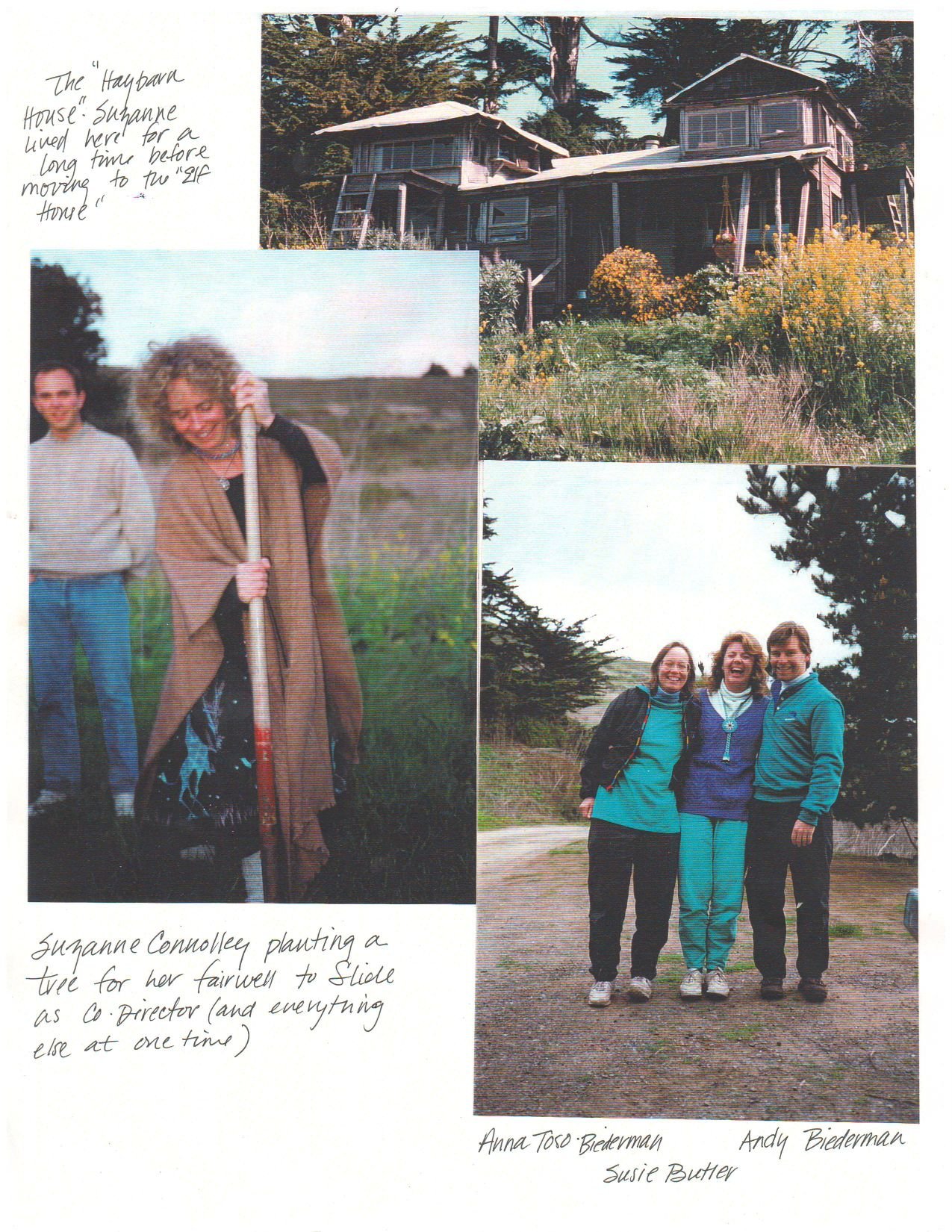
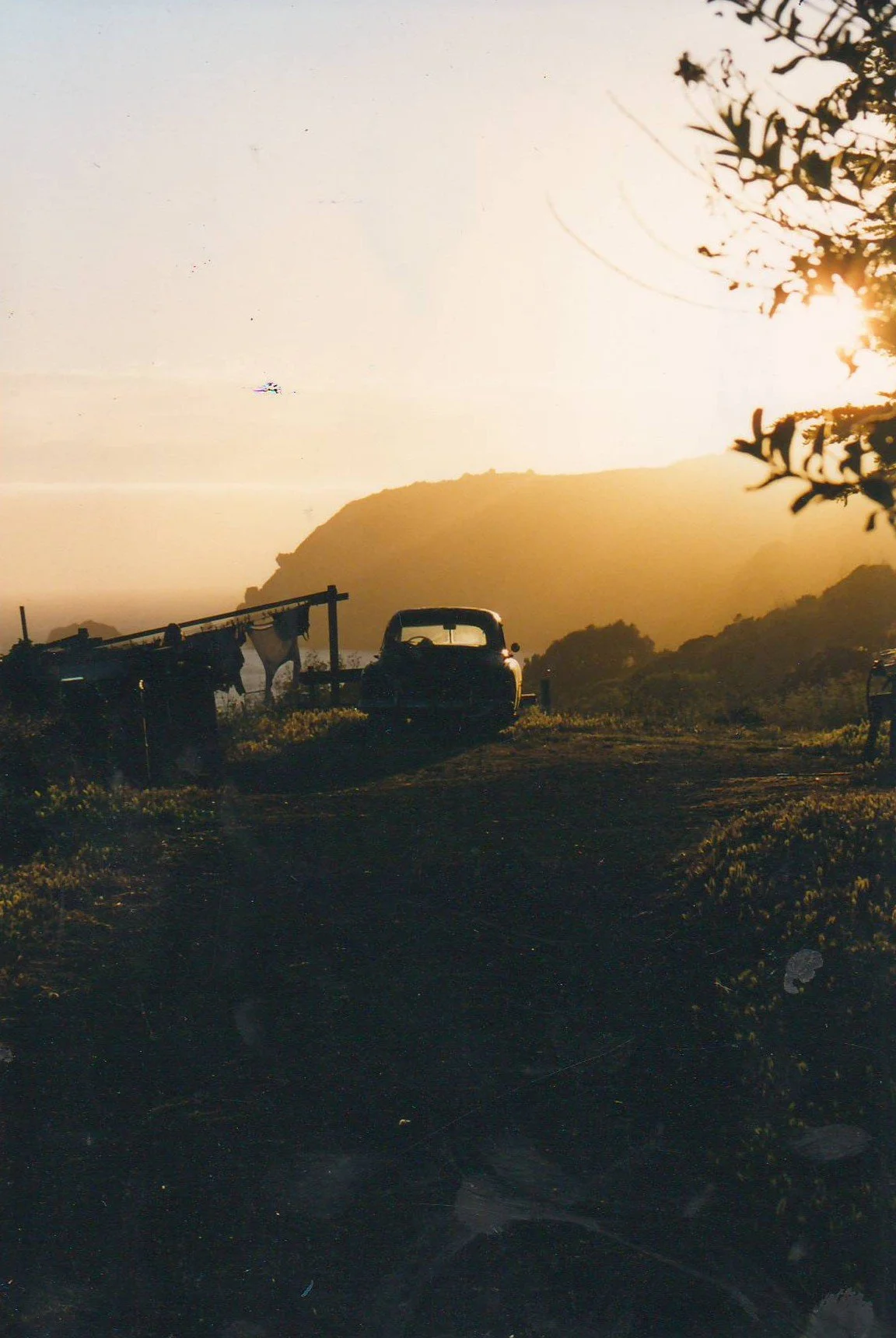
We’re talking about the late 1960s—a time before formal titles, when people stepped into roles because something needed doing. Susie was one of those people. She had a remarkable ability to organize, lead, and bring others along. She and her husband, Eddy Washington, were among the early forces of what would become the environmental nonprofit, Slide Ranch. (Their two children, now grown, were both conceived during those early years on the Ranch, a detail that always makes me smile.) Doug Ferguson played a key role by preserving the land that would become Slide Ranch. After years of negotiations with the former owner, Doug ultimately purchased the property using an inheritance from his father, saving it from imminent development. Recognizing the land’s extraordinary beauty and potential from the beginning, Doug then worked with The Nature Conservancy to find the right long-term stewards for the property. Like puzzle pieces coming together, Eddy, who was a conscientious objector during the Vietnam era, was seeking a meaningful way to serve. He connected with Huey Johnson, the Western Regional Director of The Nature Conservancy. Huey shared a vision for creating a place where urban communities – especially children and families of color – could safely experience nature and develop a lasting conservation ethic. Working together, Doug and Huey transferred Doug’s deed to Slide Ranch to The Nature Conservancy, laying the foundation for everything that followed at Slide Ranch. When Doug, Huey, and Susie first visited the property that would become Slide Ranch, the reality was far from idyllic. They were met at the driveway by armed renters – drug dealers – who were not expecting visitors and certainly not welcoming them. It was tense. But Doug, Huey, and Susie stood firm and informed them that they had new landlords, and had to leave.
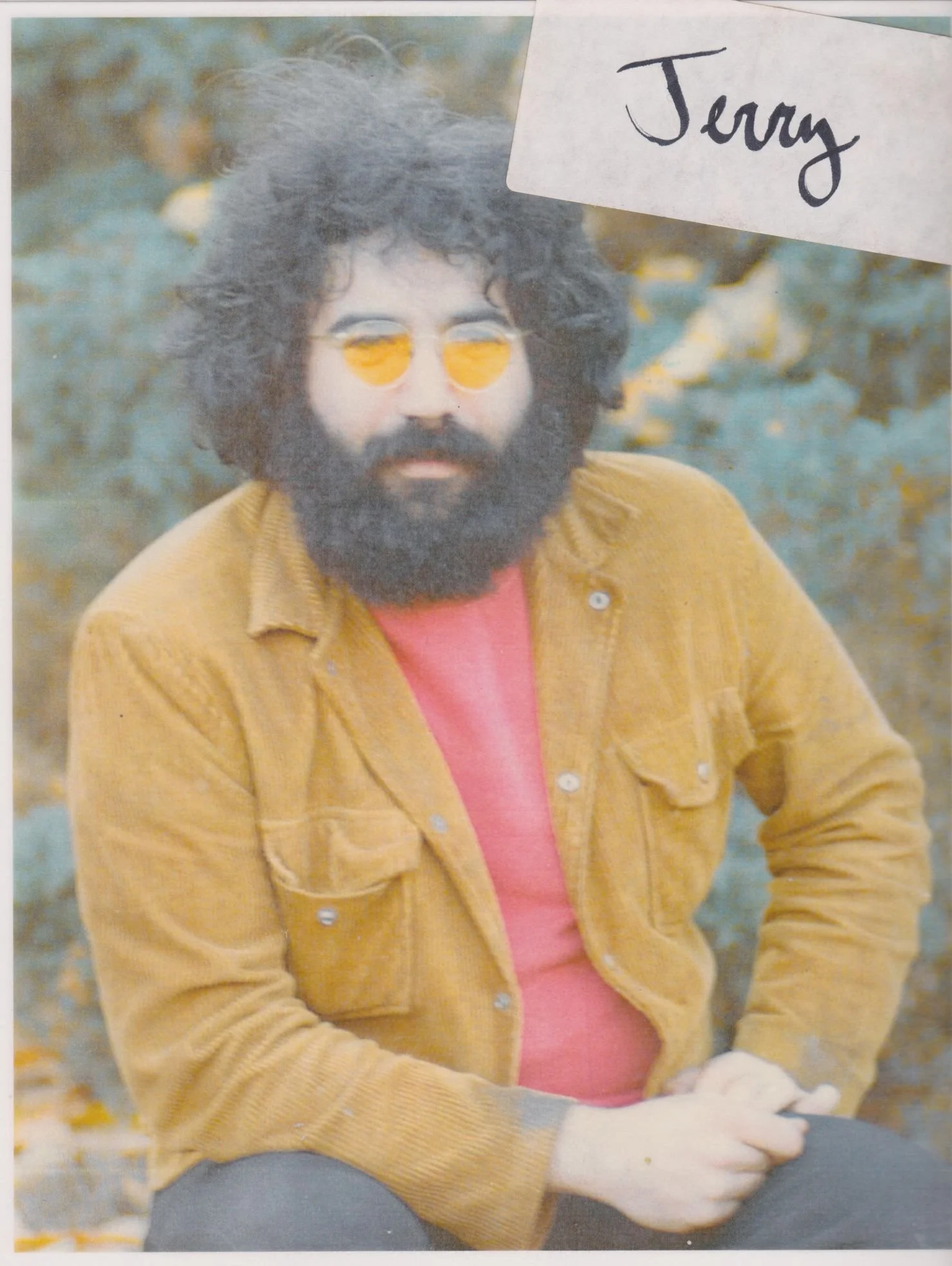
What followed was a year of hard, unglamorous work. The Ranch had been left in terrible condition, and the early team spent months cleaning, repairing, and reclaiming the land. At the same time, they began building relationships with teachers and schools, laying the groundwork for an environmental education program focused on connecting youth with the natural world. There were small but meaningful early contributions—Jerry Garcia and Carolyn “Mountain Girl” Garcia donated $500 to help get things started. The program began to take shape.
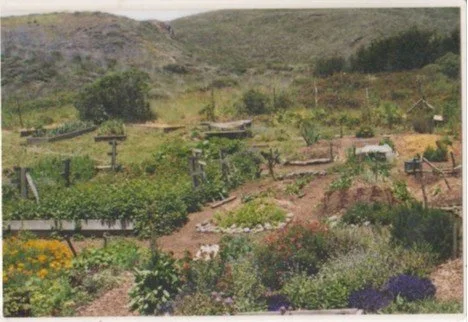
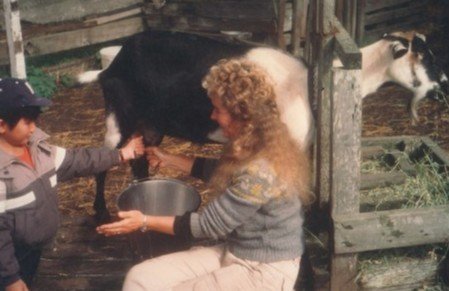
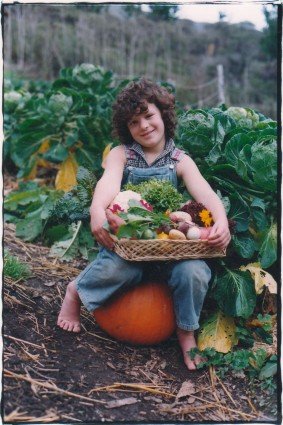
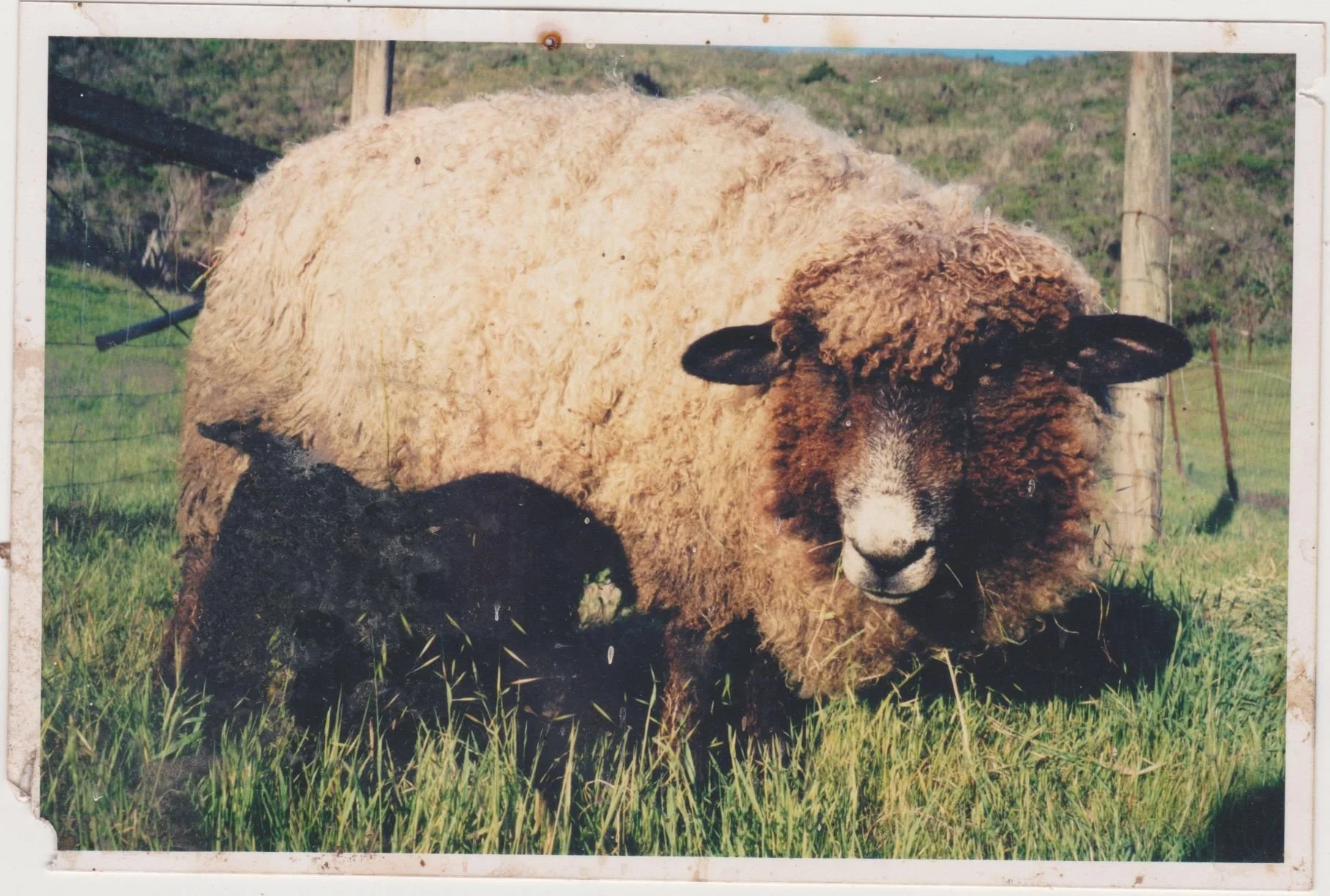
We focused on three core ecosystems: the grasslands, the garden, and the seashore—especially the intertidal zone. We inherited animals—goats, horses, chickens—and folded them into the learning. I remember taking children out to draw the chickens, using art as a way to observe and understand.
Art was central to our approach. We believed it could help young people navigate complex ecological ideas—food chains, food webs, the interconnectedness of life. Susie trusted me to help lead that work, and it remains some of the most meaningful teaching I’ve ever done. Alongside us were scientists—a wildlife biologist, a botanist—and later, we connected with marine biologist Joel Hedgepeth, whose work deepened our understanding of the coastal ecosystem.
Some memories are more lighthearted. I recall a visit from Peter Coyote and members of the Diggers, who attempted to cook a goat in a pit lined with hot stones. They wrapped it in foil, buried it, and we all waited hungrily… only to discover it was still raw when unearthed. We were learning as we went—in every sense.
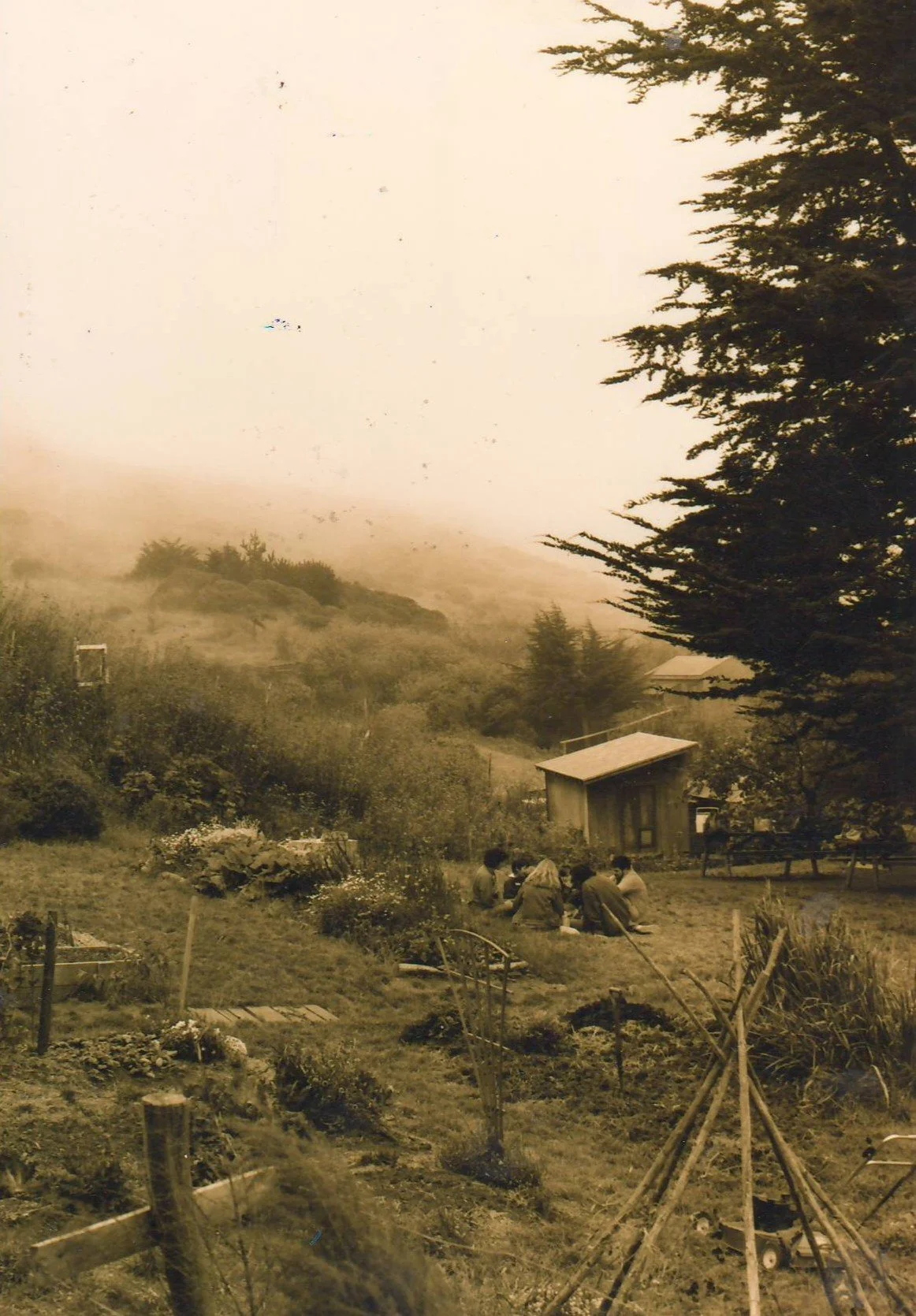
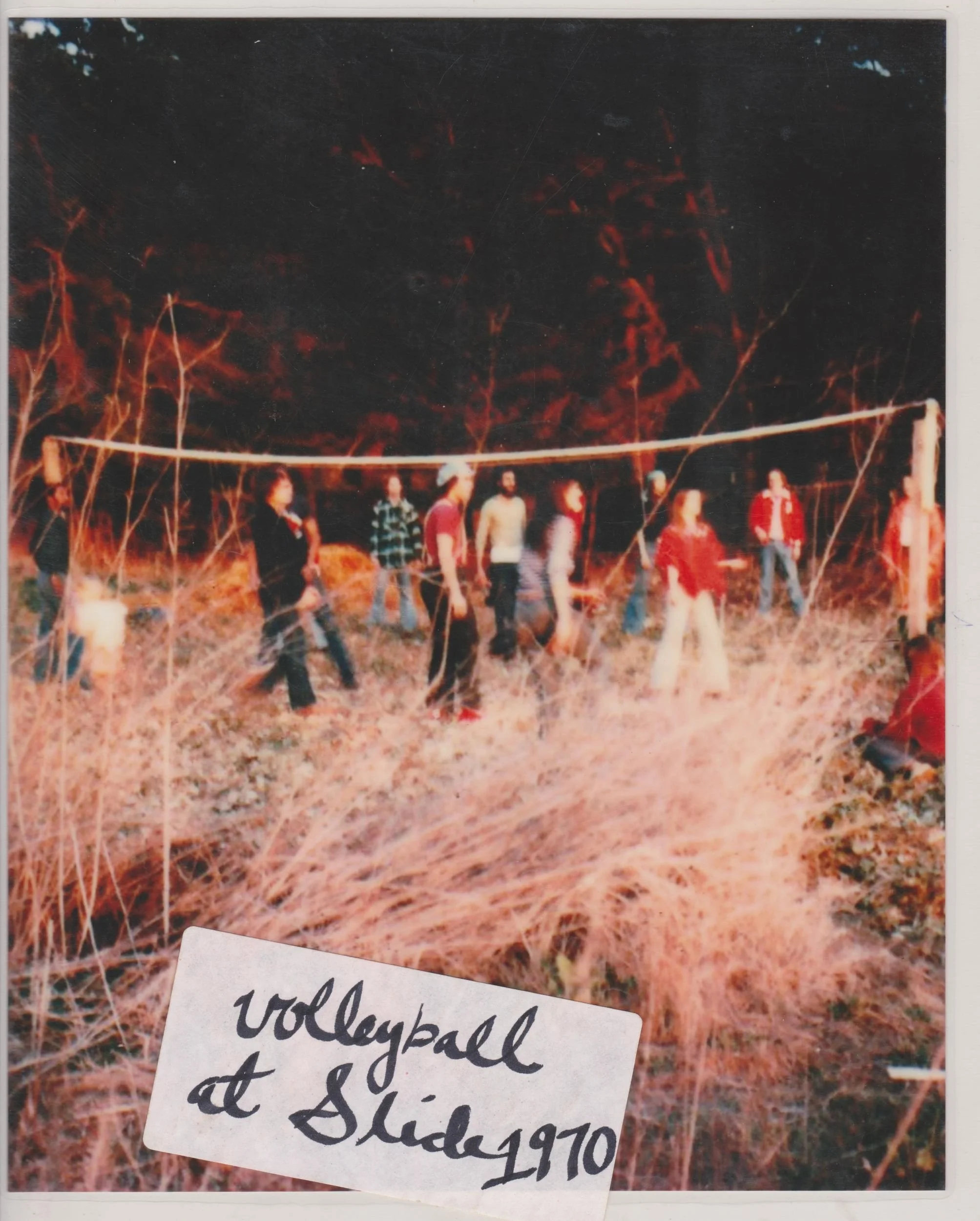
Life on the Ranch was communal and improvised. Early residents included Susie and Eddy Washington, Sue Swanson, Danny Rifkin, Carrie and their two wonderful children, Richard Martinez who we called the “varmint chaser,” and myself. My own living space was a small room with a dirt floor—now, I believe, part of Slide’s workshop. At the time, I was studying at the San Francisco Art Institute and living at the Ranch part-time.
What stands out most, though, is the impact on the children who visited. Many came from the city with little direct experience of nature. Some didn’t know where milk came from. Watching them encounter animals, soil, tidepools—it was transformative. That connection was the heart of what we were building.
Slide Ranch, as I remember it, was a place for everyone. Before the land became part of the Golden Gate National Recreation Area, I remember fishers coming from the East Bay to catch eel along the coast. There was already a sense that this place mattered and that it should remain accessible.
It’s important to recognize the visionaries who made it possible. Doug Ferguson's decisive action preserved the land itself. Together, he and Huey saw what this place could become for the community and worked tirelessly to make it real. The National Park Service supported the effort, even though we were, in many ways, an unconventional group, deeply shaped by the culture of the time.
Looking at Slide Ranch today, it’s extraordinary to see how it has grown and evolved. The seeds planted back then—through hard work, creativity, and a lot of trial and error—have flourished into something enduring and impactful.
Susie and Eddy moved to Canada in the mid-1970s, where Susie continued her work as an educator and environmental advocate. She often says that her experiences at Slide Ranch shaped everything that came after. Even now, in retirement, she remains active, working to protect ecosystems and advocating for the Southern Resident killer whales, an endangered population that depends on healthy, quiet waters to survive.
As for me, I’ve continued my work as an artist and teacher. I’ve led projects like Earth Day Marin workshops, where children imagine and draw the homes they wish to live in, thinking about energy, fire safety, and how to live in balance with the land. My work has been shown throughout the region, and I remain part of several local arts communities. I’m also teaching a self-reflective portrait workshop in Frida Kahlo style, and sharing ongoing creative work on my radio show on KWMR.
I know I speak for Susie and many others when I say we feel honored to have been part of Slide Ranch’s earlier days. To return over the years and see how it has grown—how many people have cared for it, believed in it, and made it even more beautiful—is deeply moving.
Slide Ranch is a special place. It always has been. And it’s a gift to see it continue to thrive.
Slide Ranch Note: Slide Ranch has a long and layered history of connecting people to food systems and the land. Prior to the era described in Vickisa and Susie’s story, the property operated as a Portuguese dairy farm. We look forward to sharing more about this chapter in an upcoming blog, as we will soon connect with descendants of one of those farming families who still live in the area. Before that, the land now known as Slide Ranch was stewarded for thousands of years by Indigenous peoples, including the Coast Miwok, whose deep relationship with their ancestral and unceded lands continue to shape its past, present and future.